
Mindfulness on the Coast: Using Nature to De-Stress
Slow down, notice your surroundings and find a quieter moment among the beaches, coastal paths and natural landscapes of Swansea Bay and Gower.
Mindfulness does not have to involve a complicated routine. A gentle walk, a moment listening to the waves or a few minutes observing the landscape can offer a welcome change from a busy day.
Why the Coast Is a Good Place to Practise Mindfulness
Swansea Bay and the Gower Peninsula offer a remarkable variety of outdoor spaces. There are broad sandy beaches, sheltered woodland paths, open clifftops and quiet places to sit and watch the sea.
These surroundings provide opportunities to focus on the present moment rather than constantly thinking about what needs doing next.
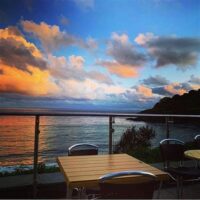
The sound of waves, the movement of clouds and the changing colours of the landscape are all things we can notice without needing to analyse them.
For some people, spending time outdoors can feel restorative and help them unwind. Mindfulness is a personal practice, however, and there is no single approach that works for everybody.
Natural Sounds
Waves, wind and birdsong offer gentle points of attention during a quiet moment.
Space to Reflect
Open horizons and peaceful locations can offer a change of perspective from everyday surroundings.
Gentle Movement
Walking at a comfortable pace allows you to pay attention to movement, breathing and the landscape.
Four Ways to Practise Mindfulness on the Coast
The following activities are simple ideas to try during a visit to Swansea Bay or Gower. There is no need to complete all of them.
Mindful Walking
Instead of concentrating on how far you need to travel, choose a safe, comfortable stretch of path and focus on the experience of walking.
- Begin at a pace that feels natural and comfortable.
- Notice the contact between your feet and the ground beneath them.
- Pay attention to sounds, colours and changes in the surrounding landscape.
- If your thoughts wander, gently return your attention to the walk itself.
A level promenade or an established coastal path is often preferable to rough terrain for this kind of exercise.
Continue watching the path, other people and any nearby hazards throughout.
Breathing With the Waves
The rhythm of the sea can provide a gentle focus for a short breathing exercise.
- Find a comfortable position somewhere safely away from the water's edge.
- Watch the movement of the waves for a few moments.
- Breathe gently at your own natural pace, noticing each breath as it comes and goes.
- Use the movement of the waves as a reminder to return your attention to the present moment.
You do not need to match your breathing exactly to the waves. If focusing on your breath feels uncomfortable, concentrate instead on the sound of the sea or another feature of the landscape.
Gratitude Journaling
A small notebook can help turn a short rest during a walk into an opportunity for reflection.
- Find somewhere comfortable to sit, away from exposed edges and tidal hazards.
- Spend a few moments looking around and noticing the place.
- Write down three things you appreciate about the experience.
- They might be something simple, such as a view, the weather, a conversation or the opportunity to be outdoors.
There is no correct answer and no need to create an elaborate journal entry. A few honest words can be enough.
Photography as Presence
Photography can be another way to notice details that are easy to overlook during a busy walk.
- Choose a safe place to stop rather than using your camera while negotiating difficult ground.
- Look for small details: patterns in the sand, reflections, wildflowers or changes in the light.
- Take time to observe the subject before taking a photograph.
- Try taking just a few thoughtful photographs rather than continually checking your phone screen.
You do not need specialist equipment or a professional camera. A phone is perfectly adequate for this simple exercise.
Peaceful Places Around Swansea & Gower
The best setting depends on whether you prefer wide coastal views, quiet beaches, woodland paths or a more accessible place to sit and enjoy nature.
Watching the Changing Light
Rhossili provides some of the most expansive sea views on the Gower Peninsula.
The elevated viewpoints above the beach offer opportunities to watch the changing light, shifting clouds and long sweep of the bay.
The original mindfulness article suggests visiting around sunset. If doing so, plan your return carefully and allow enough daylight to reach your vehicle or accommodation.
Explore Rhossili Bay →A Quiet Moment Above the Bay
Three Cliffs Bay combines limestone peaks, sandy paths and a winding tidal estuary.
It can be a rewarding location for observing the changing landscape, particularly from established viewpoints above the bay.
Low tide reveals more of the sandy shoreline, but tidal channels and access routes require care.
You can enjoy the views without going down onto the beach or attempting an estuary crossing.
Explore Three Cliffs Bay →Space and Solitude
Whiteford Sands is one of Gower's more remote coastal settings, with extensive dunes, open shoreline and nearby saltmarsh habitats.
For visitors who enjoy quiet walking, the established paths offer opportunities to notice birdsong, wind and the changing estuary landscape.
The remoteness also makes preparation important. Allow time for the return journey, check the weather and tides, and avoid venturing across dangerous mudflats.
Explore Whiteford Sands →A Gentler Nature Walk
Clyne Gardens offers a different kind of experience from Gower's open beaches and exposed coastal paths.
Located near Blackpill and Mumbles, the gardens contain winding paths, mature trees and seasonal flowering plants.
Spring is particularly appealing for the displays of rhododendrons and azaleas, while the woodland setting provides opportunities for gentle observation throughout the year.
Clyne Gardens is not a beachfront location, but it is a useful alternative for visitors who prefer a botanical setting.
Clyne Gardens Visitor Information →A Simple Ten-Minute Practice
You do not have to dedicate an entire afternoon to mindfulness. The following example can be adapted to a safe viewpoint, garden bench or easy walking route.
Arrive and Notice
Find a comfortable position. Look around and notice the weather, sounds, colours and surrounding landscape.
Walk or Observe
Take a gentle walk along safe ground, or remain seated and observe the changing scene. When your attention wanders, return to something you can see or hear.
Reflect and Continue
Pause and consider what you noticed. You might write a few words in a notebook or simply continue your day at your own pace.
The timings are suggestions, not requirements. If walking, breathing exercises or quiet reflection do not feel right for you, choose an activity that feels more comfortable.
Simply spending a few minutes enjoying a favourite coastal view is a perfectly reasonable alternative.
What to Take on a Mindful Coastal Walk
Specialist mindfulness equipment is not necessary. A few practical items can help make your time outdoors more comfortable.
Small Notebook & Pen
Useful for gratitude journaling, recording observations or noting something memorable about the landscape.
An ordinary notebook is sufficient; there is no need for a specialist journal.
Reusable Water Bottle
Carry water when walking, particularly if your chosen location is remote or has limited facilities.
A small daypack can also hold snacks, spare clothing and other essentials.
Daypack Guide →Comfortable Footwear
Choose footwear appropriate for the terrain. A paved promenade is very different from muddy woodland, dunes or rocky coastal paths.
Comfort and reliable grip matter more than purchasing any particular brand.
Outdoor Packing Guide →Some people find a guided audio exercise helpful, while others prefer to leave their phone in their pocket.
An app is optional. If you use one, avoid headphones that prevent you hearing approaching people, vehicles or coastal hazards.
Mindfulness & Coastal Safety
Mindfulness is about paying attention, not ignoring your surroundings. That distinction is especially important around the coast.
Choose safe, accessible places for breathing, photography and reflection exercises. Avoid standing near cliff edges, walking on unstable rocks or becoming distracted near moving water.
If visiting a remote location, plan your route, check the weather and carry the equipment needed for the return journey.
Places such as Three Cliffs Bay, Rhossili and Whiteford Sands can be affected by changing tides, exposed conditions and difficult terrain.
Never close your eyes while walking or standing close to hazards. Do not cross tidal channels or approach dangerous cliff edges simply to find a quiet place.
Follow local warning signs and current coastal safety advice.
Read the Coast Swansea Tide & Beach Safety Guide →Making Time for the Small Moments
The Gower Peninsula is often celebrated for its dramatic views and spectacular beaches. Yet there is another side to visiting these places: taking time to appreciate the details.
A change in the light, the sound of waves over shingle, or the colours of a woodland path can all become moments worth noticing.
Mindfulness does not require a perfect location or a lengthy routine. You can practise it on a short walk, during a beach visit or while sitting somewhere comfortable with a coastal view.
The aim is not to achieve a particular feeling, but simply to give yourself an opportunity to slow down and experience the moment.
More Coastal Inspiration
Walking & Hiking Routes
Discover coastal paths, countryside walks and circular routes across Swansea Bay and Gower.
Explore Walking Routes →Wildlife Along Swansea's Coast
Learn about seals, coastal birds, marine wildlife and respectful observation around the peninsula.
Read the Wildlife Guide →Coastal Blog & Guides
Find more local stories, walking diaries, coastal experiences and practical visitor articles.
Explore the Coastal Blog →